Skip to content

Training

Knee – from rehab to activity

Price will be announced with the new date

A new date will be available soon

Ask about dates
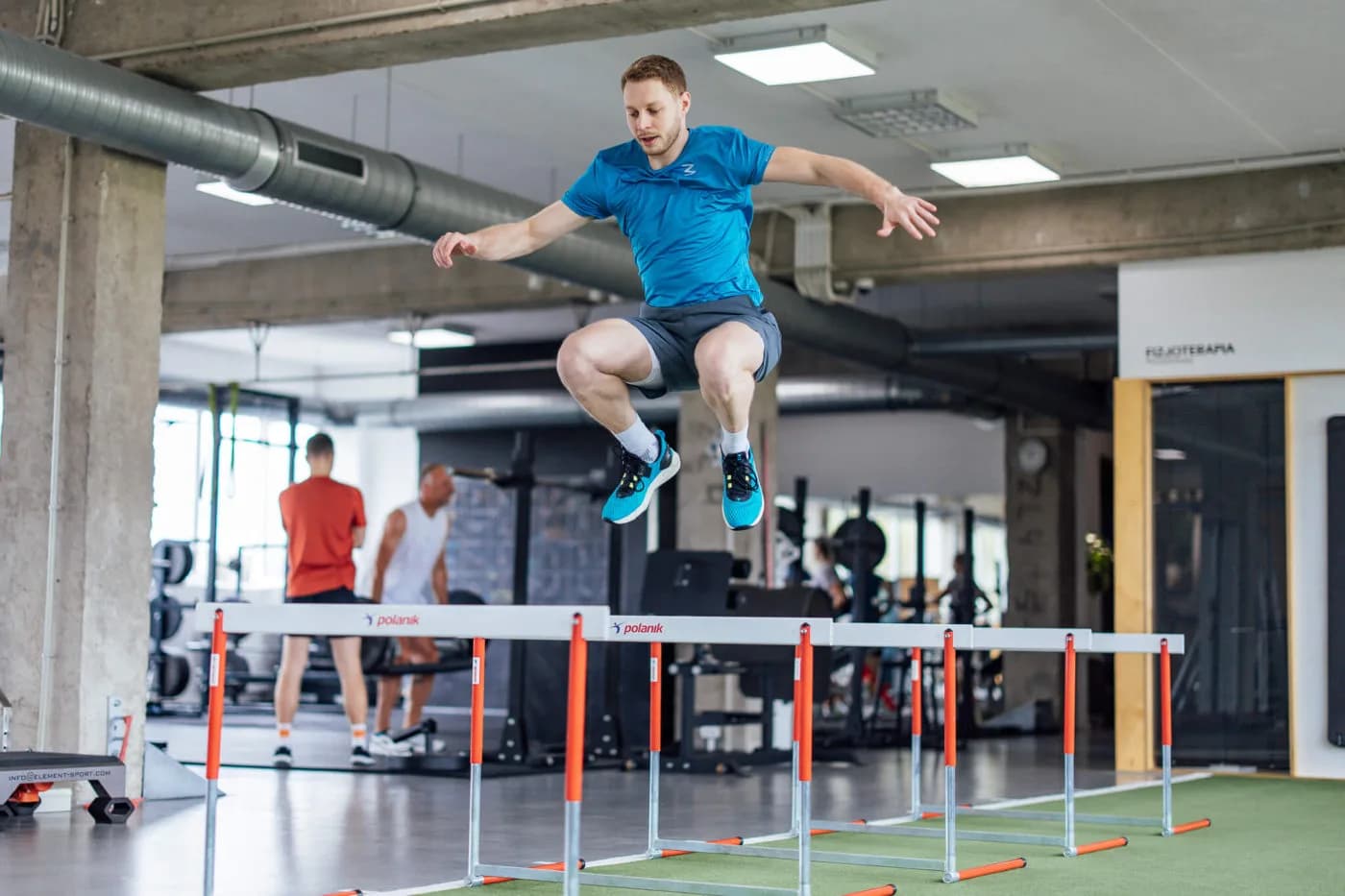
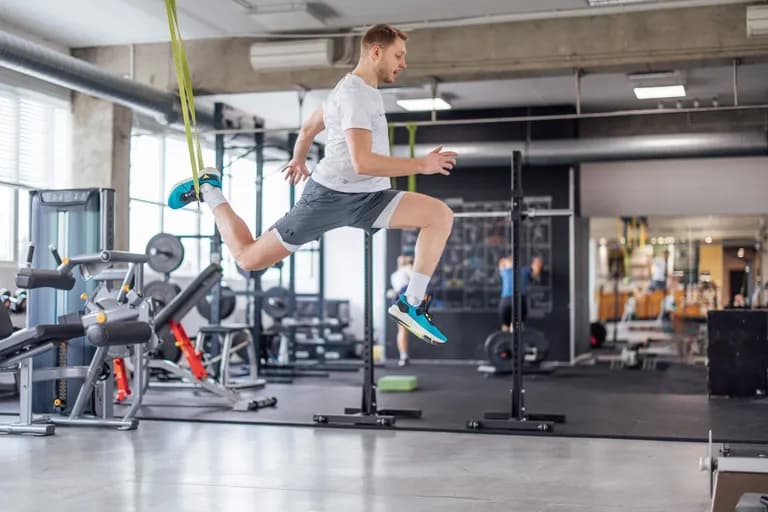
Zawodnik przeskakuje płotki lekkoatletyczne na sali BODYWORK

Get 50% off the online course

Sign up for the in-person training now and you will receive a 50% discount code for a specialist online course led by Mikołaj Mili.

-50%

“In our daily work we often encounter knee pain. Whether the problem results from a ligament injury, cartilage degeneration, or problems with the muscles and tendons around the knee, it is important to plan the process of improving mobility, strength and control of the knee joint properly, so as to ensure the best possible return to activity. To meet your expectations, we present a workshop that answers all doubts concerning the management of knee joint injuries”

– Bartosz Grobelny, Doctor of Medical Sciences specialising in health sciences, physiotherapist and Master of Psychology

Return to activity

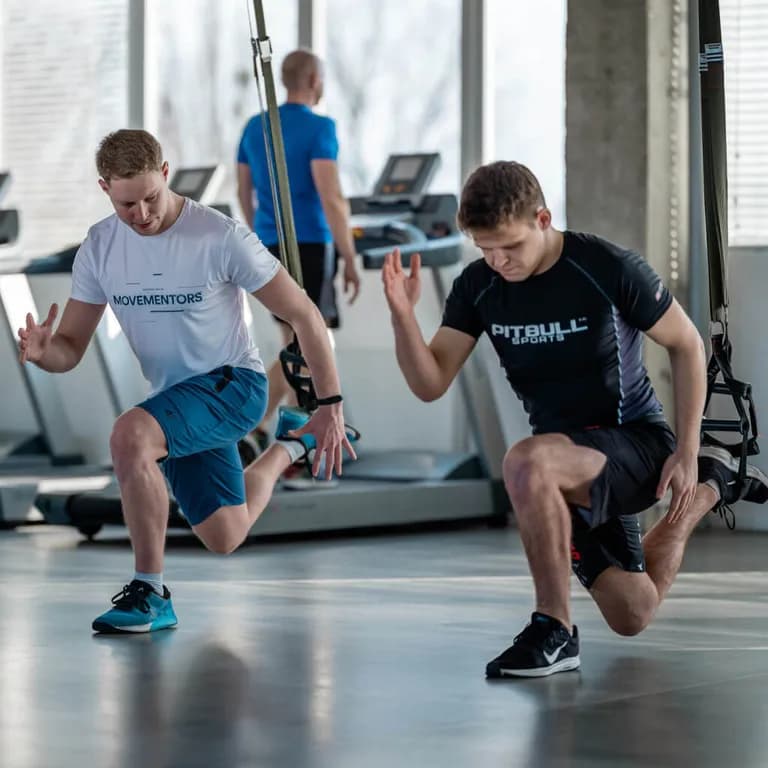
One of the greatest challenges faced by specialists working with people after knee joint injuries is managing widely varying levels of functional limitation. Creating universal programmes is difficult, because without clearly defined fundamentals it is easy to focus solely on the diagnosis and lose sight of the broader functional context. Our workshop focuses on the key principles of conducting rehabilitation, which allow you to build an effective plan both for athletes and for recreationally active people who want to return to sport safely.

Even though the goal is a return to sporting activity, the level at which it is practised places different demands on the patient and the therapeutic team. The difficulty for the practitioner lies in determining a safe level of load, the impact of injury physiology on recovery, and the selection of appropriate interventions. Understanding the basics of anatomy, biomechanics and the limitations resulting from the type of injury is a solid foundation for designing safe and effective return-to-activity programmes.

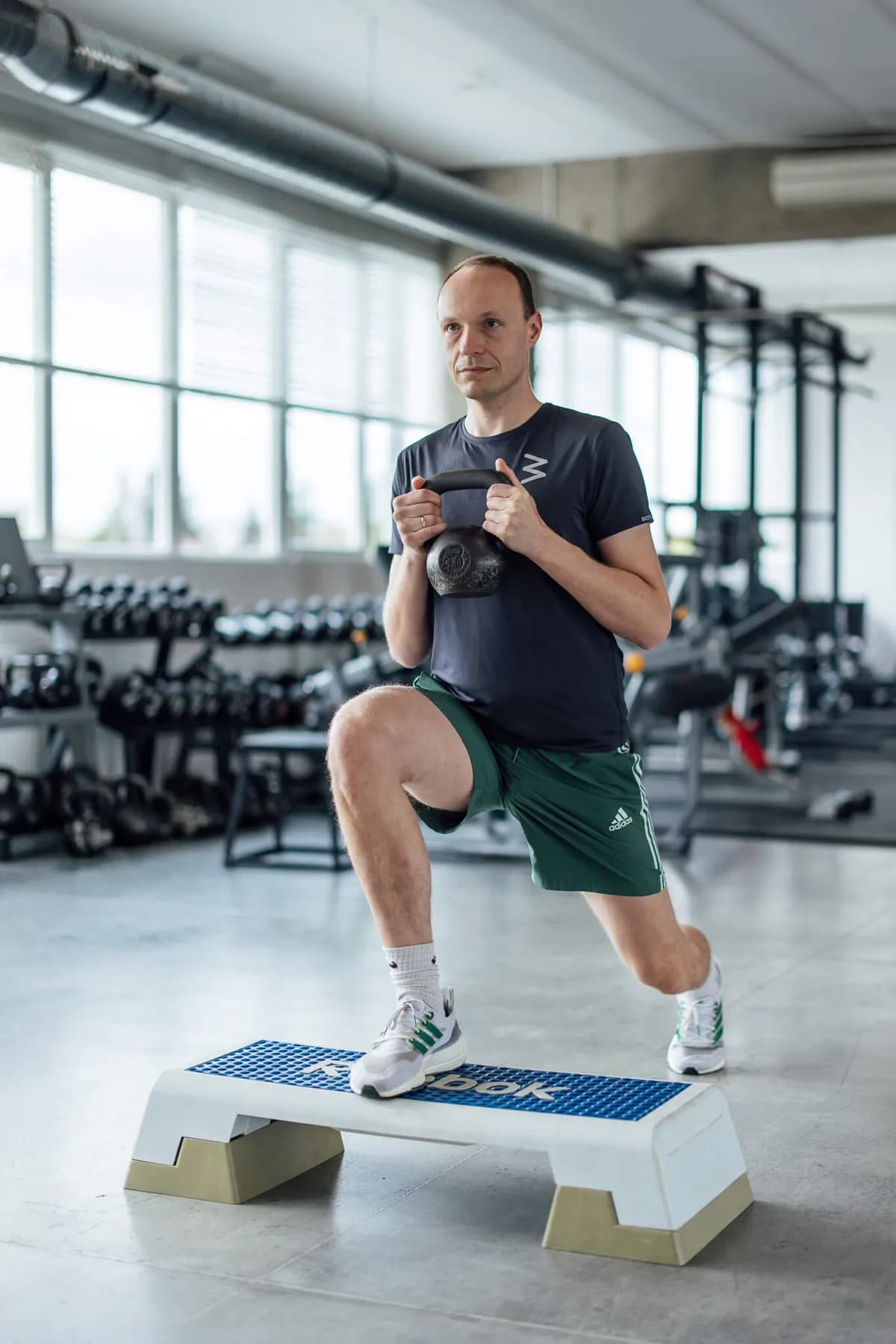
Trener wykonuje wykrok na stepie z obciążeniem

The shortcomings of the traditional model

It is clear that there is a gap between the expectations placed on the return-to-activity process and the actual results of the work carried out by trainers. Despite good intentions, basic physiotherapy and strength training interventions often fall short. We often encounter a lack of objectivity, testing and monitoring. Despite these challenges, as practitioners we have reasons for optimism. This training is the key to understanding how to manage the knee rehabilitation process effectively and ensure a smooth return to sport for patients.

During the training we will present clinical case studies and show how the results of differential and functional tests influence the choice of exercises and the direction of the work. Applying modern frameworks and approaches allows you to achieve better results and eliminate typical shortcomings in the return-to-activity process.

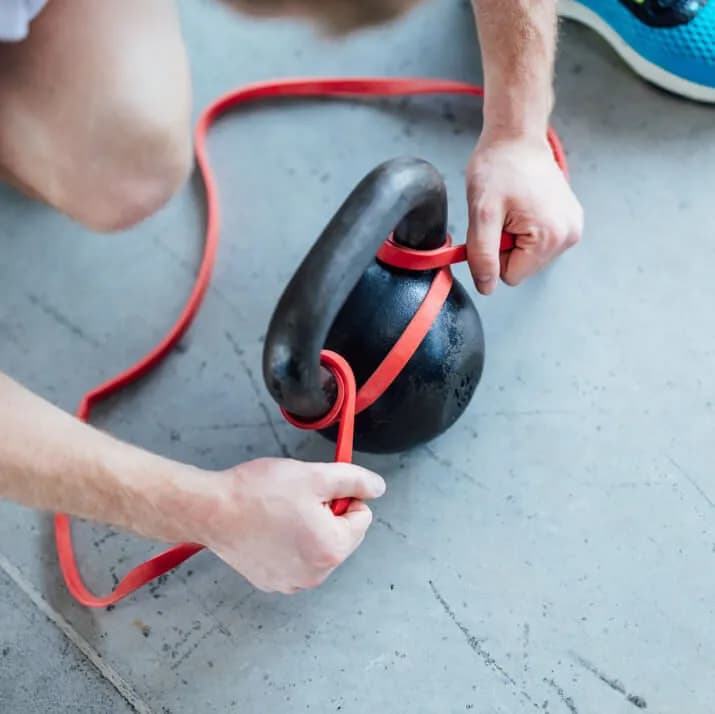
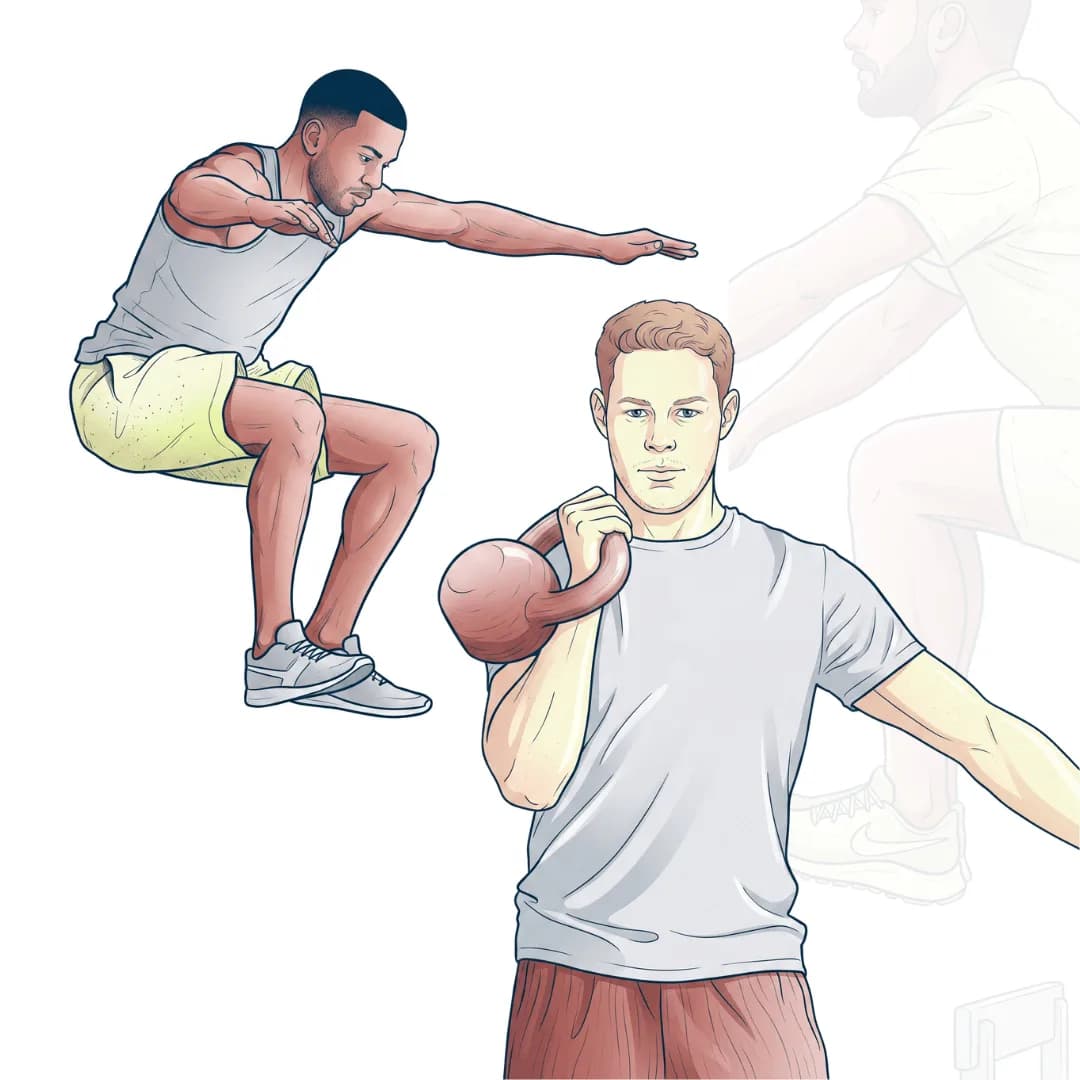
Dłonie zaczepiają gumę oporową o kettlebell

Find out how to monitor progress and select training strategies appropriate to the type of injury and the stage of rehabilitation.

Participants
  • personal trainers and fitness instructors;
  • physiotherapists and manual therapists who want to broaden their qualifications with a movement-based approach;
  • strength and conditioning coaches;
  • enthusiasts of an active lifestyle and athletes themselves;
  • graduates of the Movement Expert course and other BODYWORK® courses.
What sets us apart?

The BODYWORK® MasterClass workshops were created by movement specialists with many years of knowledge and experience in motor learning in clinical and sports settings. Our training is NOT a course in manual therapy and physiotherapy translated into the language of personal trainers (we take great care over the division of competences in order to create a more integrated model of health)! Our approach is based above all on teaching efficient movement, which is key to the health and fitness of clients who are going through clinical treatment, experiencing pain and suffering from typical lifestyle diseases, as well as those who want to improve their sporting performance.

Pillars of knee rehabilitation

The foundation of the training is understanding the most important principles that allow you to create safe and effective management strategies at every stage of the return to activity.

  • division of competences within the therapeutic team,
  • the biopsychosocial model,
  • the performance model approach: rehab vs reconditioning,
  • continuity of the process and programming principles in rehabilitation,
  • the return-to-sport (RTS) continuum.

Understanding the knee in the context of function

We also discuss the impact of surgical procedures on rehabilitation planning, taking into account tissue healing biology and the limitations resulting from the type of procedure.

  • the role of passive and active structures in stabilisation,
  • lower limb alignment control,
  • the importance of the hip and ankle,
  • load mechanics in closed and open kinetic chains.

Clinical conditions analysed during the course

The training is built around the analysis of protocols for the most common acute and overuse injuries.

  • anterior cruciate ligament (ACL) reconstruction, primary and revision,
  • meniscal injuries (repair vs meniscectomy),
  • patellar tendinopathy (“jumper's knee”),
  • articular cartilage damage (chondromalacia, ITBS).

In addition, we discuss cases involving:

  • posterior cruciate ligament (PCL) injury,
  • injuries of the medial and lateral complex (MCL/LCL),
  • patellar instability and MPFL reconstruction,
  • patellofemoral pain syndrome (PFPS),
  • corrective osteotomy,
  • degenerative changes.

Post-surgical management

We present the key aspects of managing the early tissue protection stage.

  • pain and effusion control,
  • regaining full extension as a functional priority,
  • preventing quadriceps inhibition,
  • early gait re-education,
  • progressive and safe loading in line with the healing phase,
  • criteria-based progression between rehabilitation stages.

Transition from the clinical stage to strength training

Participants learn how to move effectively from therapeutic work to training programming.

  • restoring range of motion and motor control,
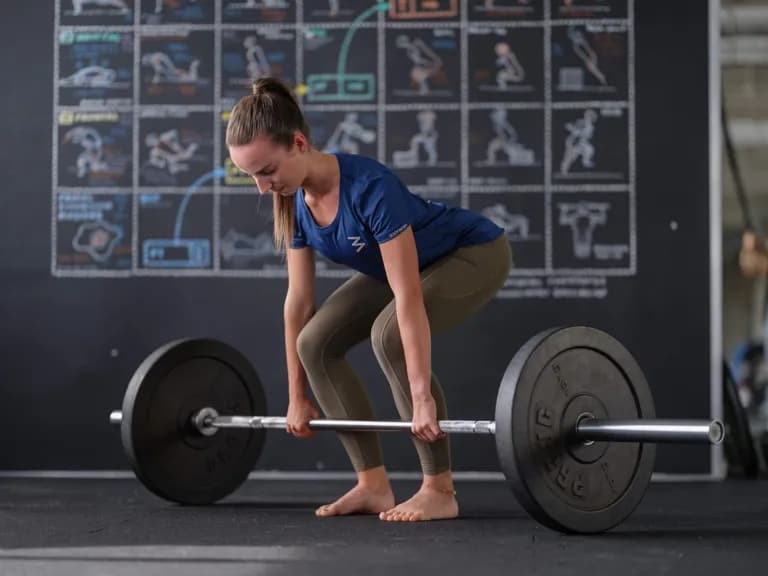
  • normalising basic patterns (squat, lunge, hinge),
  • correcting strength deficits,
  • working along the strength-power continuum,
  • introducing jump training.

Technology and objective analysis of deficits

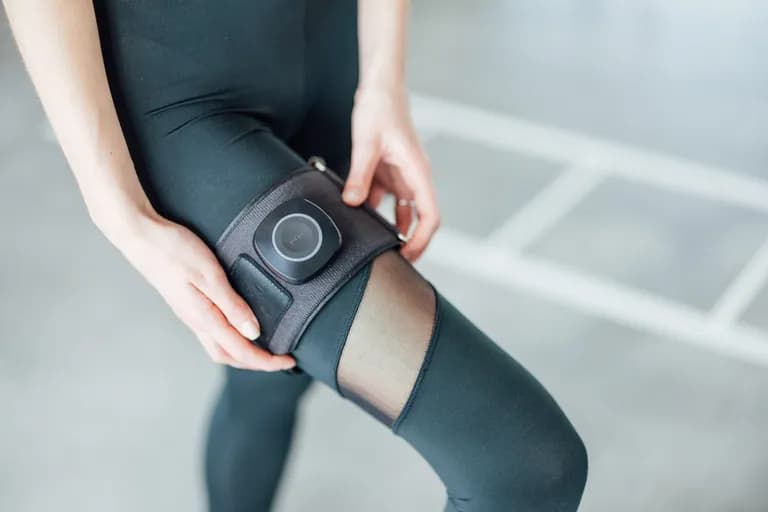
The training covers the practical use of tools that support the rehabilitation process. We teach how to select and create test batteries depending on needs and the stage of rehabilitation, as well as how to make clinical decisions based on test results.

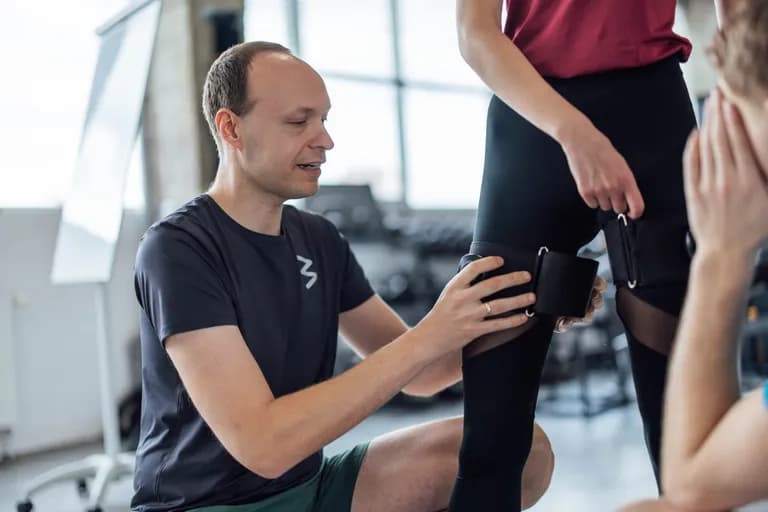
  • NMES in quadriceps activation,
  • blood flow restriction (BFR) training,
  • isolated isometric tests (dynamometer),
  • functional tests and hop tests,
  • isometric and jump tests (Force Decks),
  • KPIs and progress monitoring.

Return to running and sport

The training culminates in an overview of methods for restoring the sporting skills that are needed.

  • criteria for return to running, sprinting and change of direction,
  • development of jump and plyometric tasks,
  • change-of-direction mechanics and deceleration control,
  • multidirectional movement,
  • integration of cognitive components (decision-making training, dual task).

*Each day of the training includes a 30-minute lunch break. We provide every participant with a hot meal.

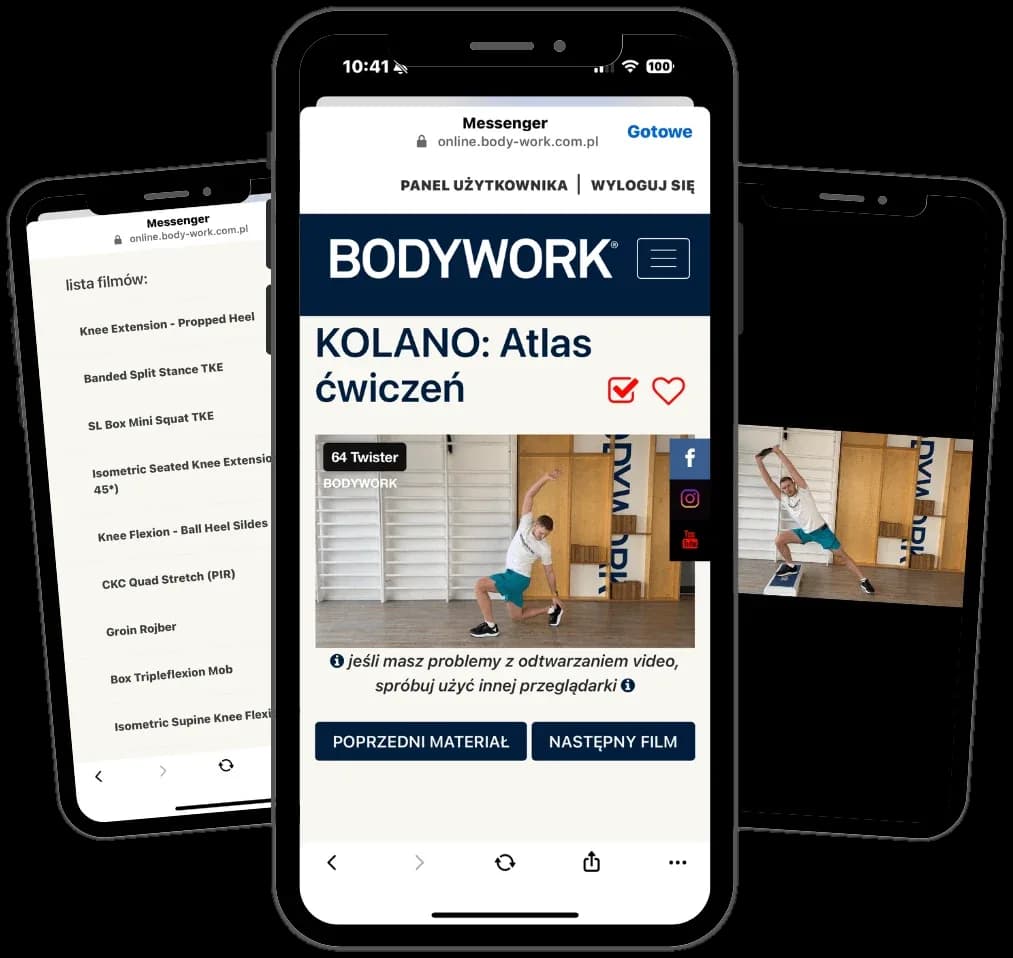
Exercise atlas + collection of publications

As a participant of the training you will gain access to an extensive video library covering more than 150 exercises in the areas of early-phase exercises, motor control, strength and power, jump training and multidirectional movement.

It is a practical tool that will help you apply the knowledge you have gained effectively in your work with clients. The materials are available for 6 months, so you can learn at your own pace and return to them whenever you need.

BONUS! You will also receive access to our collection of more than 20 articles and publications describing current practice in knee joint rehabilitation, which will let you expand your knowledge in selected topics.

Atlas ćwiczeń „Kolano” otwarty na ekranie telefonu

Get 50% off the online course

Course: Jump training in a coach's practice

Sign up for the in-person training now and you will receive a 50% discount code for a specialist online course led by Mikołaj Mili.

In this course you will learn both the fundamental and the more advanced aspects of jump training. It is a comprehensive approach that confronts scientific theory with practical methodology, ready to apply regardless of your client's level of advancement! This is a compendium of knowledge that dispels all doubts related to jump training and plyometrics.

Trainers

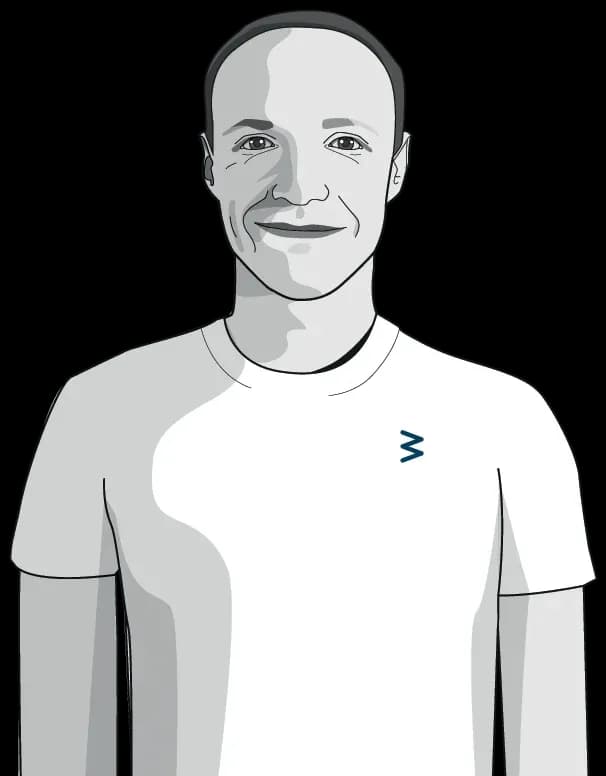
Bartosz Grobelny
Bartosz Grobelny

Physiotherapy

Doctor of medical sciences, specialising in health sciences, physiotherapist and Master of Psychology. In his work he mainly uses manual therapy based on the IAOM model (International Academy of Manual and Orthopedic Medicine). He also weaves into his repertoire of techniques the Visceral Therapy method, FDM, Manual Medicine (pinopressure, needle therapy), functional / medical training and soft tissue therapy. Day to day his work rests not only on practice with athletes but also on clinical cases. Thanks to his knowledge of psychology, he can take a holistic approach to the patient, which in cases of chronic pain is often crucial.

Profile on the Academy team page
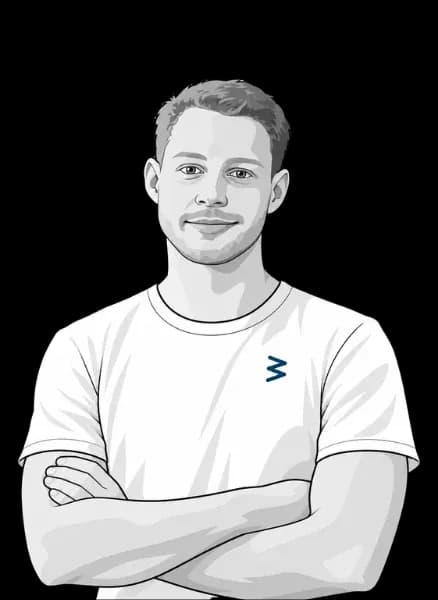
Mikołaj Mili
Mikołaj Mili

Return to sport, functional training

Graduate of the University of Education and Therapy in Poznań in physiotherapy, with a diploma in comprehensive manual therapy. He is responsible for the motor development of the futsal team of Wiara Lecha Poznań and of individual MMA athletes, and day to day he supports clients in building sporting performance and in the process of returning to sport, especially after knee joint injuries. In his work with clients he emphasises integrating methods from physiotherapy, functional training and athletic training. Connected with combat sports from an early age, he is a multiple medallist of the Polish and European Championships of the IMAF federation in Ju Jitsu and of the Academic Polish Championships in BJJ, a volleyball enthusiast, and a trainer and physiotherapist who understands the demands of sport at every level of advancement.

Profile on the Academy team page

Training price

Training

Price will be announced with the new date

Ask about this training

BODYWORK GROUP Sp. z o.o., ul. Samuela Lindego 4, 60-573 Poznań, szkolenia@body-work.pl, is the controller of your data. We share it with our email service provider, and you may complain to the President of UODO, the Polish data protection authority. Details and the retention period are in the privacy policy.

Newsletter

Sign up. Stay in the loop.

BODYWORK GROUP Sp. z o.o., ul. Samuela Lindego 4, 60-573 Poznań, info@body-work.pl, is the controller of your data. We share it with our email service provider, and you may complain to the President of UODO, the Polish data protection authority. Details and the retention period are in the privacy policy (opens in a new tab).