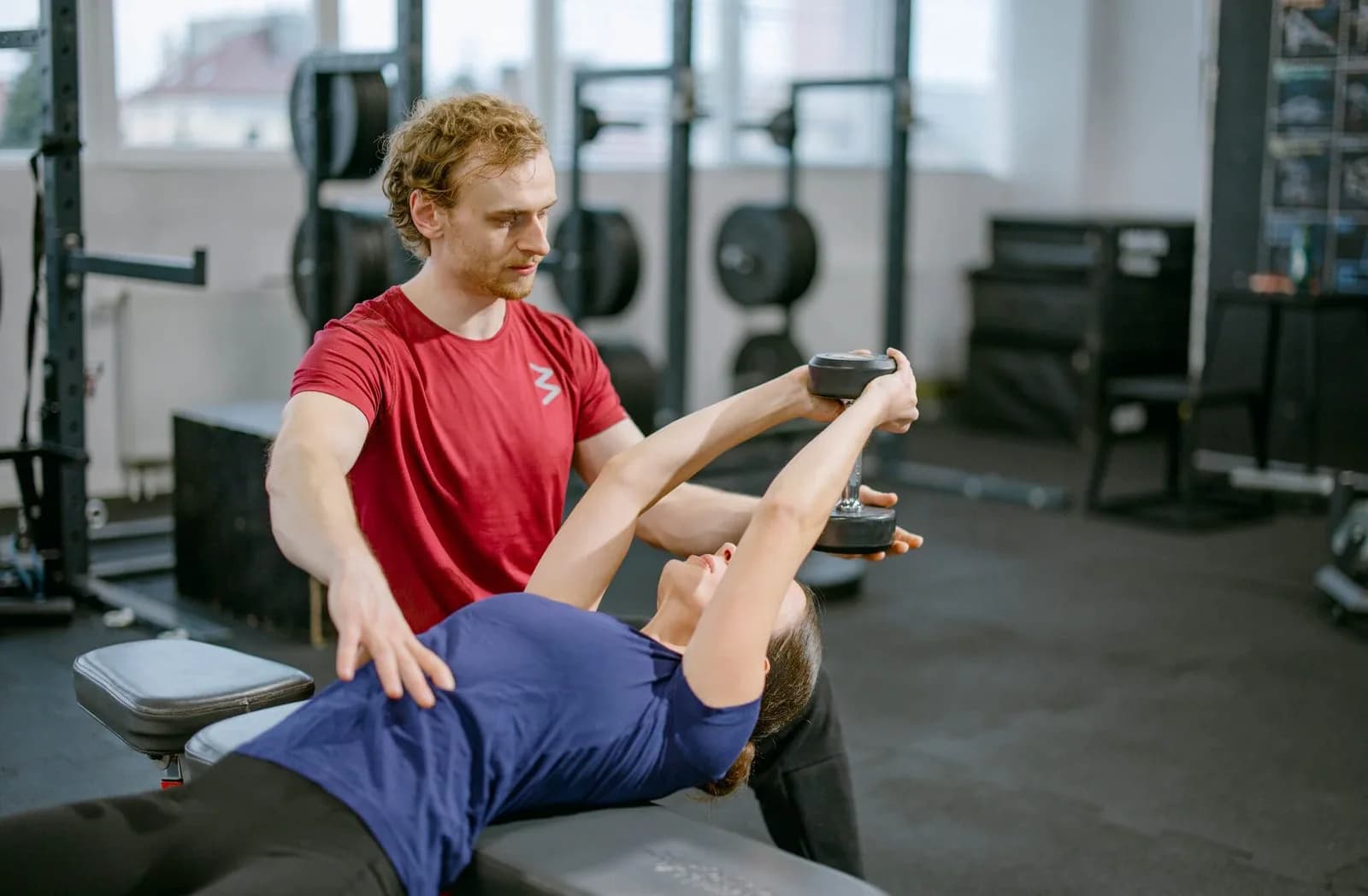
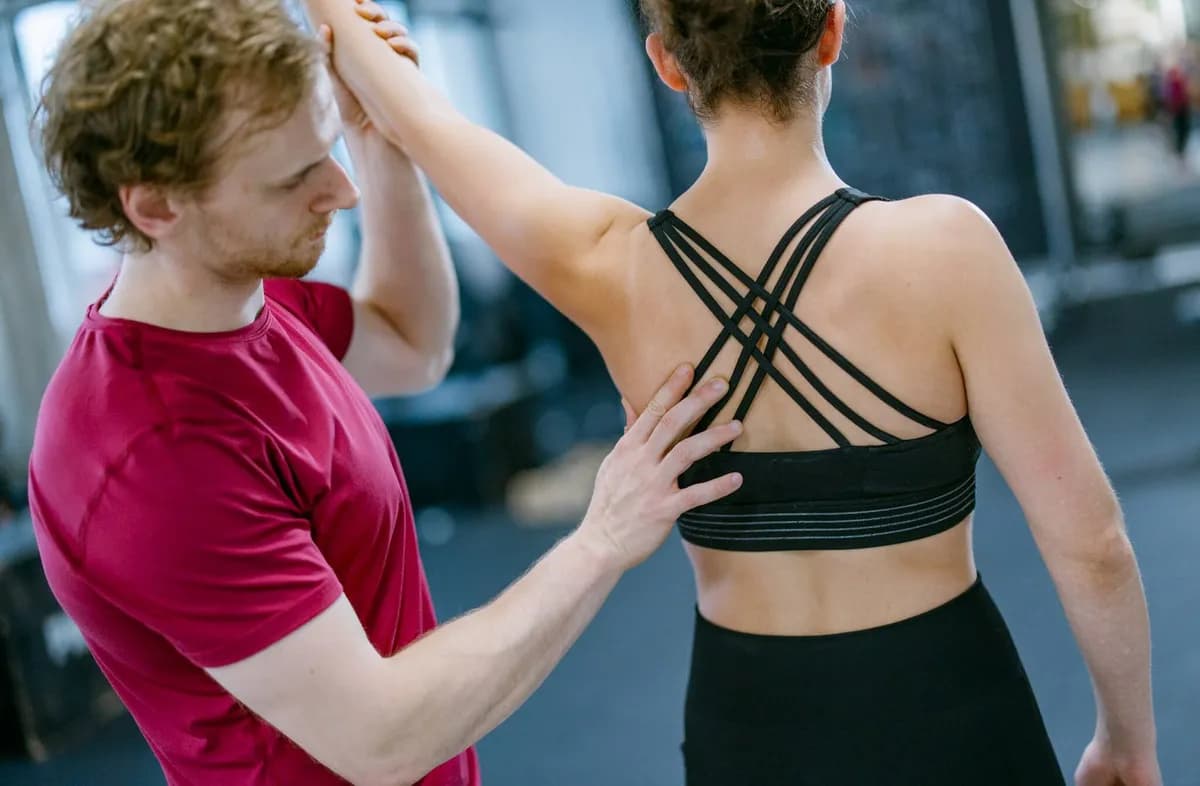
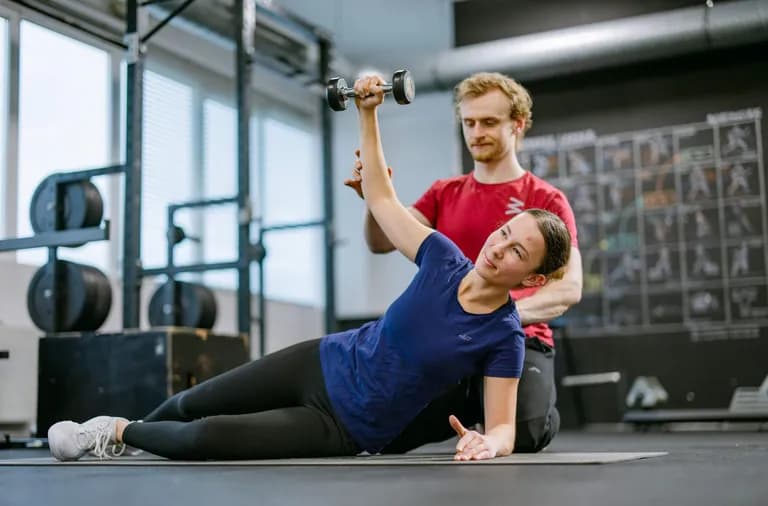
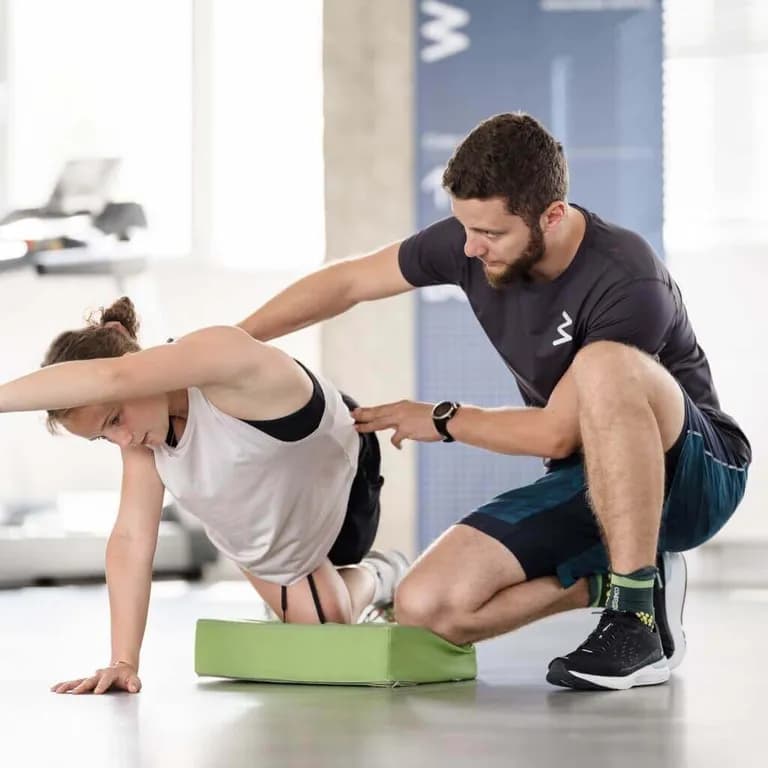
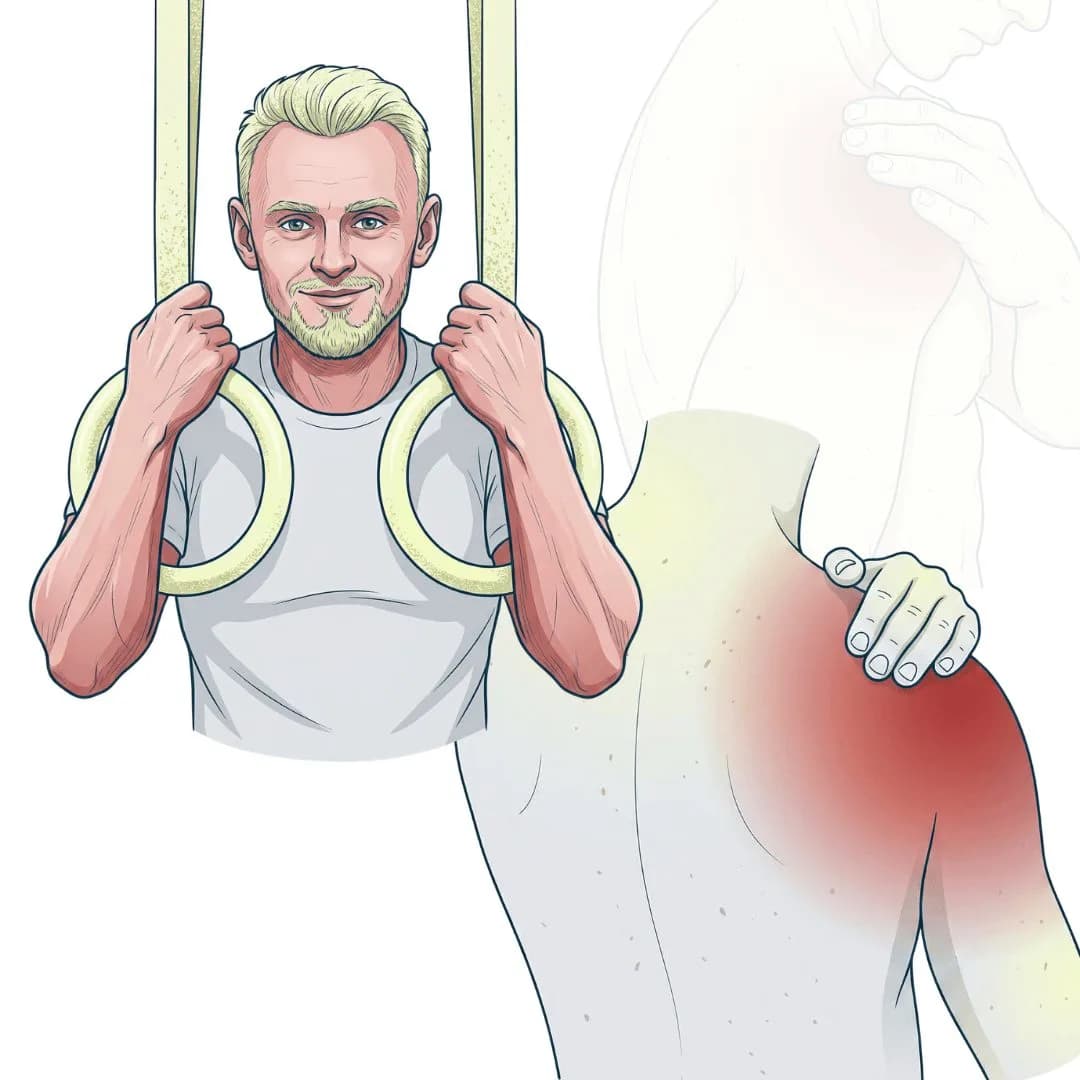
During the training you will learn to analyse reliably what really underlies shoulder problems. You will understand why the vast majority of shoulder pain does not result from structural damage, and what role, alongside biomechanics, is played by movement control, tissue adaptation and the patient's context.
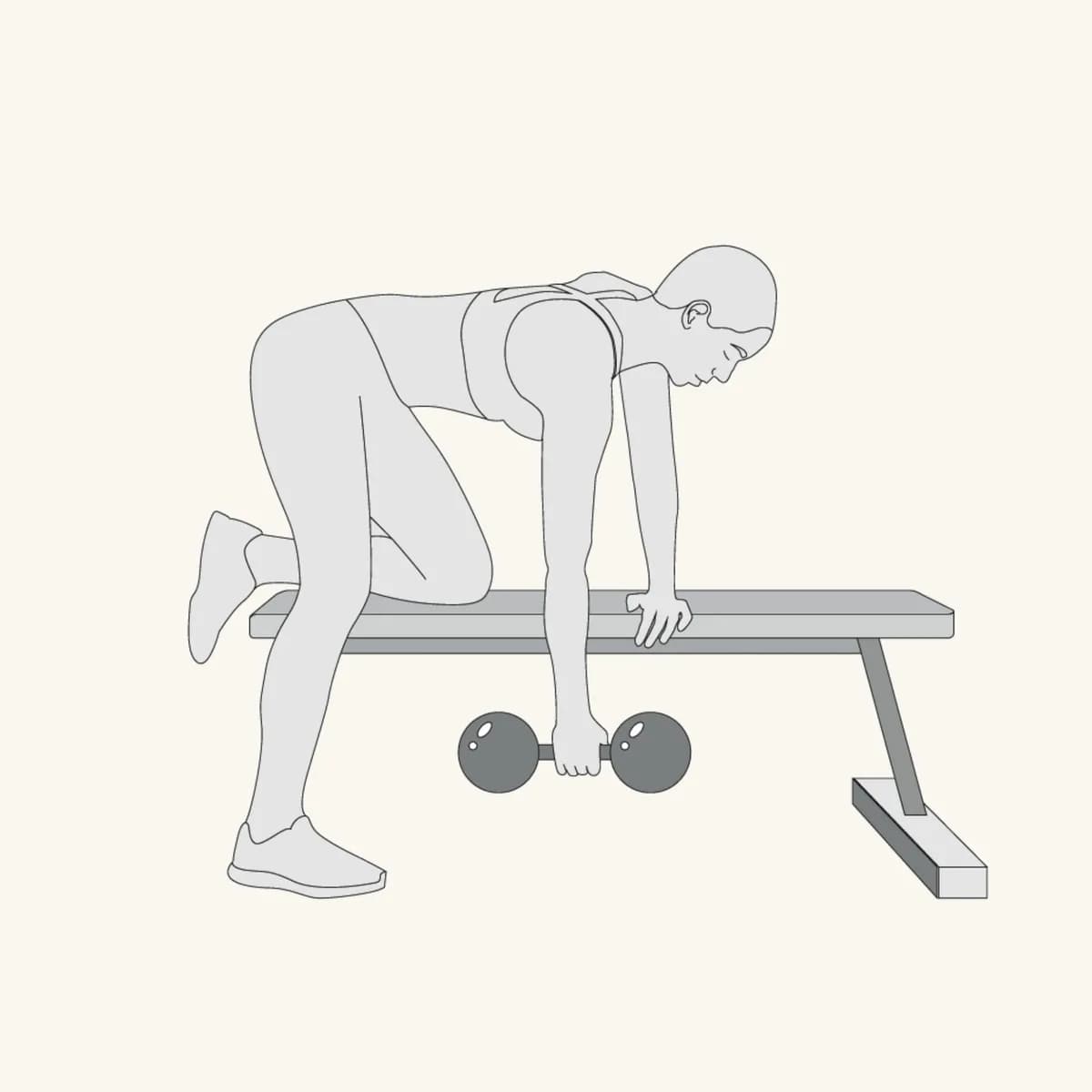
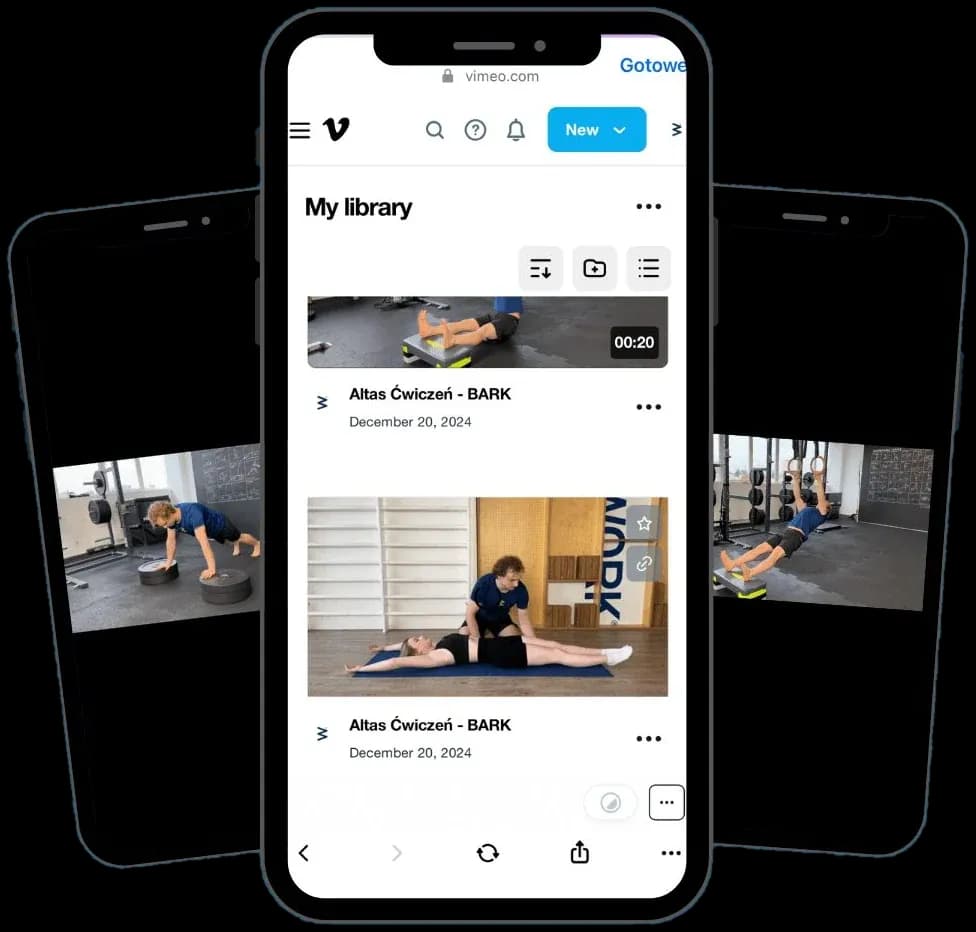
You will be equipped with specific, proven diagnostic as well as training and rehabilitation tools, and you will learn how to apply them deliberately in your daily work with a patient or client. This is organised, practical know-how based on current knowledge and experience, not formulaic descriptions of conditions or ready-made rehabilitation plans from the internet.